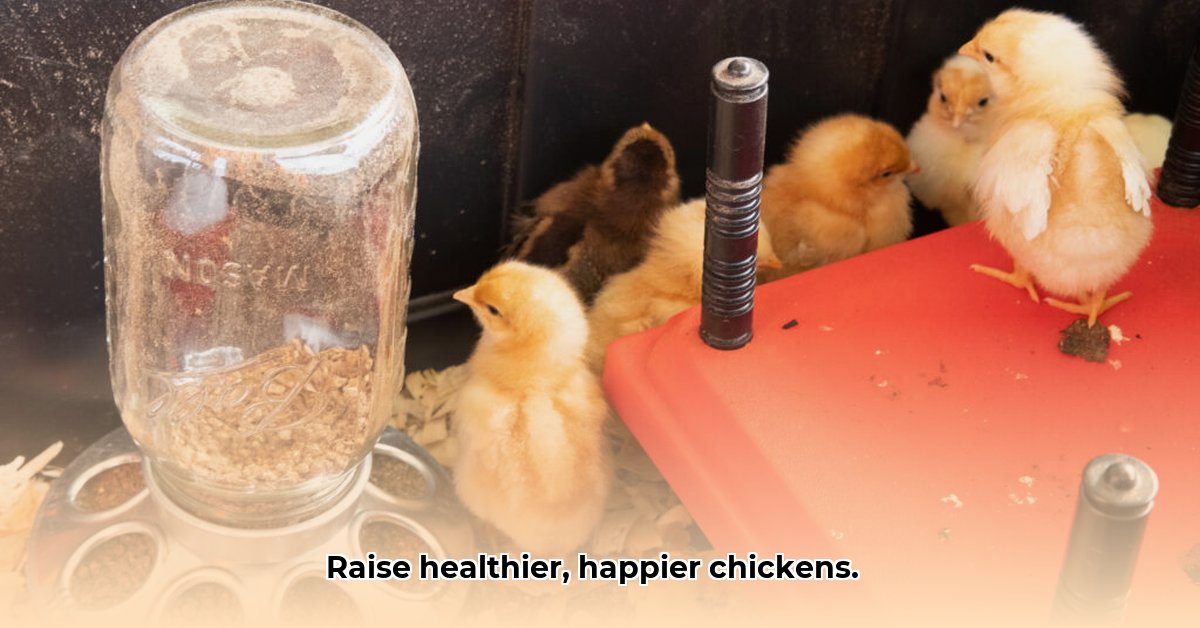
Tractor Supply Chick Feeders: Optimizing Your Poultry Operation for Success
Raising chickens for profit requires a strategic approach, and choosing the right equipment is paramount. Tractor Supply offers a wide range of chick feeders, each designed to meet specific needs and contribute to a sustainable, profitable poultry operation. This guide provides actionable steps to help you select and utilize these feeders effectively. To learn more about chick costs, check out Tractor Supply chick prices.
Selecting the Right Feeder Size: A Crucial First Step
The number of chicks you're raising directly impacts feeder size selection. Tractor Supply provides various sizes, from small troughs for a handful of chicks to larger models for sizable flocks. Choosing the incorrect size can lead to wasted feed (too large) or competition and stress (too small). A proper fit ensures optimal feed access and minimizes waste, directly influencing your profitability. Remember, a well-sized feeder is an investment in your flock’s health and your bottom line.
Feeder Durability and Design: Investing in Longevity
Durability is key. Chicks can be surprisingly tough on their equipment! Opt for feeders constructed from robust materials like heavy-duty plastic or metal to withstand constant pecking. Features such as adjustable height accommodate growing chicks, extending the feeder's lifespan. Easy-to-clean designs minimize labor and disease risk, contributing to a healthier flock and improved overall efficiency. Investing in a quality feeder now will save you money and time in the long run.
Maximizing Feed Efficiency: Reducing Waste and Boosting Profits
Sustainable poultry farming emphasizes minimizing waste. Tractor Supply offers feeders designed to reduce feed spillage and maximize efficiency. Covered troughs protect feed from the elements and pests, while certain models feature adjustable settings to prevent larger chicks from dominating feeding access. This translates directly into lower feed costs and higher profits—a win-win for your business and the environment. Isn't reducing waste a cornerstone of any successful, eco-conscious farm?
Maintaining a Healthy Flock: The Importance of Cleanliness
Preventing disease outbreaks is paramount. Choosing a feeder that's easily cleaned and disinfected significantly reduces the risk of bacterial and parasitic buildup. Regular cleaning is a preventative measure that protects your flock's health, minimizes veterinary costs, and ensures optimal productivity. A clean feeder promotes a healthy environment, and a healthy environment leads to happier, more productive birds.
Scaling Up with Automation: Streamlining Larger Operations
For larger-scale operations, automated feeders offer significant advantages. While the initial investment is higher, the long-term benefits—reduced labor costs, more efficient feed distribution, and less manual work—often outweigh the cost. Automated systems allow for precise feed delivery, optimizing management for bigger flocks. Consider the time saved and increased efficiency when evaluating this investment choice. Are you ready to free up your time and scale your operation?
Tractor Supply Chick Feeders: A Comprehensive Comparison
The table below highlights the pros and cons of various Tractor Supply chick feeders to assist in your decision-making process.
| Feature | Pros | Cons |
|---|---|---|
| Variety | Wide selection of sizes and styles. | Abundance of choices can be overwhelming. |
| Durability | Many are made of robust materials. | Cheaper models may have shorter lifespans. |
| Price | Options available for every budget. | Higher-quality models naturally cost more. |
| Ease of Cleaning | Many designs prioritize easy cleaning. | Some may require more effort for thorough cleaning. |
| Automation | Automated feeders drastically reduce labor costs. | Initial investment is substantially higher. |
Choosing Cost-Effective Automated Poultry Watering Systems
Efficient poultry farming relies heavily on effective water management. Automated watering systems offer a significant advantage, reducing labor and ensuring consistent water access for your flock. However, selecting the right system requires careful consideration of factors such as flock size, budget, and climate.
Matching Your System to Your Needs: Small Flock vs. Large-Scale Operation
The optimal watering system varies depending on the size of your operation. Simple gravity-fed systems or cup/nipple designs are sufficient for small flocks, offering cost-effectiveness and ease of use. Larger farms requiring a higher water delivery capacity will benefit from fully automatic, high-capacity systems, offsetting labor costs in the long run. The key is to align your system's capacity with your flock's needs while optimizing your budget and labor. Don't forget that a cost-benefit analysis and long-term planning are crucial.
Variety of Automated Poultry Watering Systems: A Detailed Overview
Several systems address various needs and budgets:
- Gravity-fed systems: Simple, reliable, and inexpensive. Water flows from a reservoir via pipes or troughs.
- Cup/nipple systems: Individual cups or nipples minimize waste and contamination risk.
- Float-valve systems: A float regulates water levels in a tank, ensuring consistent water supply.
- Piped systems: Water distribution via a pipe network is ideal for large-scale operations.
Choosing the best system depends on a thorough evaluation of initial cost, maintenance, and long-term benefits.
Long-Term Cost Analysis: The True Value of Automation
While automated systems have higher upfront costs, the long-term savings in labor costs often justify the initial expense, especially for larger commercial operations. A cost-benefit analysis comparing hourly labor costs to the automated system's lifespan will reveal the system’s true economic viability. Focus on the total cost of ownership, weighing upfront costs against future savings.
Maintaining Hygiene: Regular Cleaning for a Healthy Flock
Regular cleaning of any automated watering system is crucial regardless of the system chosen. Biofilm and algae accumulation can contaminate water and harm your birds. The frequency of cleaning varies depending on the system chosen; some might require daily cleaning while others need attention weekly or monthly. Cleaning frequency directly impacts the overall health of your flock. A preventative cleaning schedule is crucial for optimal long-term results.
Climate Considerations: Protecting Against Freezing Temperatures
In colder climates, freezing temperatures can easily render a watering system unusable. Choose a system designed to withstand freezing temperatures, or invest in supplementary heating to ensure continued water access for your birds. This prevention step is critical for system longevity and year-round productivity.
Making an Informed Choice: A Strategic Approach
Selecting the proper automated watering system requires thorough planning and careful consideration. It's not just about saving money; it's about enhancing bird health, boosting flock productivity, and simplifying your daily workload. Consider the long-term impact on your business and your flock's well-being when making this important decision.
Happy Bellies, Healthy Chicks: A Guide to Feeders
When those fluffy little peepers arrive, one of your top priorities, after warmth and water, is providing them with easy access to their specialized starter feed. This is where the humble chick feeder steps in as an unsung hero of the brooder. A well-chosen feeder ensures that your chicks can eat without trampling or soiling their food, which is crucial for preventing disease and maximizing nutrient intake during their delicate early weeks. It’s not just about delivering sustenance; it’s about maintaining a hygienic environment and minimizing waste, giving your young flock the best possible start in life.
The market offers a variety of options, each designed with the unique needs of developing chicks in mind. From the classic plastic fount feeders that provide a constant supply from a reservoir, to small trough feeders ideal for a handful of birds, selecting the right one depends on your flock’s size and your personal preference. Consider models that are easy to clean, sturdy enough to prevent tipping, and have narrow openings or grates to stop chicks from scratching out or roosting in their food. As your chicks grow, you’ll find yourself graduating to larger capacity feeders, but getting the initial setup right lays the foundation for robust growth and a happy, healthy flock.